


How to Prevent Frozen Pipes in Winter: A Step-by-Step Guide
Quick Summary
To prevent frozen pipes, insulate exposed pipes in cold areas, seal drafts around pipe entry points, and disconnect garden hoses and close indoor shutoff valves to outdoor faucets before the first hard freeze. Open cabinet doors under sinks on cold nights so warm room air reaches pipes on exterior walls.
Locate your main water shutoff valve and confirm it turns freely.
Insulate exposed pipes in crawl spaces, unheated basements, and attics.
Pipes in exterior walls can freeze even when the room feels warm.
Seal gaps where pipes enter the house with caulk or expanding foam.
Use self-regulating heat tape where possible, and plug it into a GFCI outlet.
Table of Contents
How to Prevent Frozen Pipes Before the First Hard Freeze
A single burst pipe can flood a room in hours. The good news is that freeze damage can be reduced with steps taken before cold weather arrives.
The best time to act is before the first hard freeze of the season. Waiting until the forecast turns can leave you with no time to prepare.
Start with this quick checklist:
Locate your main water shutoff valve and confirm it turns freely
Walk the house and note pipes in cold areas
Look for drafts around windows, doors, and pipe entry points
Disconnect garden hoses and close indoor shutoff valves to outdoor faucets
Set a reminder to check the weather forecast each week
Check the weather before the season starts. Doing the work in early fall makes the job calmer.
Know Which Pipes Are Most at Risk
Not every pipe freezes at the same rate. Pipes that run through cold, unheated spaces are the usual problem. Pipes near exterior walls and in rooms with little heat are close behind.
The highest-risk pipes usually include:
Pipes in crawl spaces and unheated basements
Pipes in attics, especially those running along exterior walls
Supply lines to outdoor faucets and hose bibs
Pipes behind kitchen and bathroom cabinets on exterior walls
Pipes in garages and utility rooms that lack heat
A common mistake is assuming that a pipe inside the house is safe. Pipes in an exterior wall can freeze even when the room feels warm. Open the cabinet doors under sinks on cold nights so warm room air can reach those pipes.
Some pipes are far more likely to freeze than others, so the table below lists the highest-risk locations and the common mistake to avoid.
Pipe location | Why it is at risk | Quick action |
Crawl spaces and unheated basements | Little or no heat reaches them | Insulate the exposed pipes |
Attics along exterior walls | Cold air surrounds the pipe | Insulate and seal drafts |
Outdoor faucet supply lines | Exposed to outdoor cold | Close indoor shutoff valves |
Behind cabinets on exterior walls | Cold wall, little warm air | Open cabinet doors on cold nights |
Garages and utility rooms without heat | No heat source | Insulate and check for drafts |
How to Insulate Water Pipes in Vulnerable Areas
Pipe insulation is one way to protect plumbing. Measure the pipe diameter first so the sleeve fits snugly.
Start with the exposed sections in cold spaces. Wrap the pipe completely, seal the seams with tape, and cover any joints or valves that the sleeve does not reach. Gaps leave the pipe exposed, so check each section carefully.

Insulation works best alongside air sealing. Cold drafts that reach a pipe can freeze it even with a sleeve in place. Seal gaps where pipes enter the house with caulk or expanding foam.
Heat Tape for Water Pipes: Safe Use and Installation
Choose the right product before you buy. Heat tape is not one product. The two common categories behave differently:
WWMT-TV
Self-regulating cable adjusts its heat output along its length as the pipe temperature changes. It can usually be overlapped and cut to length, and it is the more forgiving choice for do-it-yourself installation.
Constant-wattage cable puts out a fixed amount of heat per foot and usually must not be overlapped or shortened. It often needs a thermostat or controller to avoid overheating.
Install in this order:
Shut off power at the breaker before any electrical work, and never install cable on a live circuit.
Clean and dry the pipe so the cable and tape adhere properly.
Run the cable along the pipe in the pattern the manufacturer specifies, usually straight runs or a gentle spiral, never overlapping unless the product allows it.
Secure the cable with the manufacturer-supplied tape or ties; do not use metal ties that can cut the jacket.
Insulate over the cable only if the product instructions permit it, and keep insulation clear of any thermostat or controller.
Plug into a ground-fault circuit interrupter (GFCI) protected outlet. A GFCI is the standard protection against shock in damp basement and crawl space conditions.
When to call a professional.
Operate it correctly.
Dripping Faucets to Prevent Frozen Pipes During Extreme Cold
During extreme cold, letting a faucet drip keeps water flowing through the pipe.
What to Do When Pipes Freeze or Burst
Step 1: Confirm the freeze and find the section.
Step 2: Shut off the main water supply.
Step 3: Open the faucet served by the frozen pipe.
Step 4: Thaw slowly and safely.
Step 5: Watch for leaks as it thaws.
Step 6: If a pipe has burst, stop and call a plumber.
Step 7: Document for insurance.
Scheduling Winter Protection for Your Home With Shoretech Services
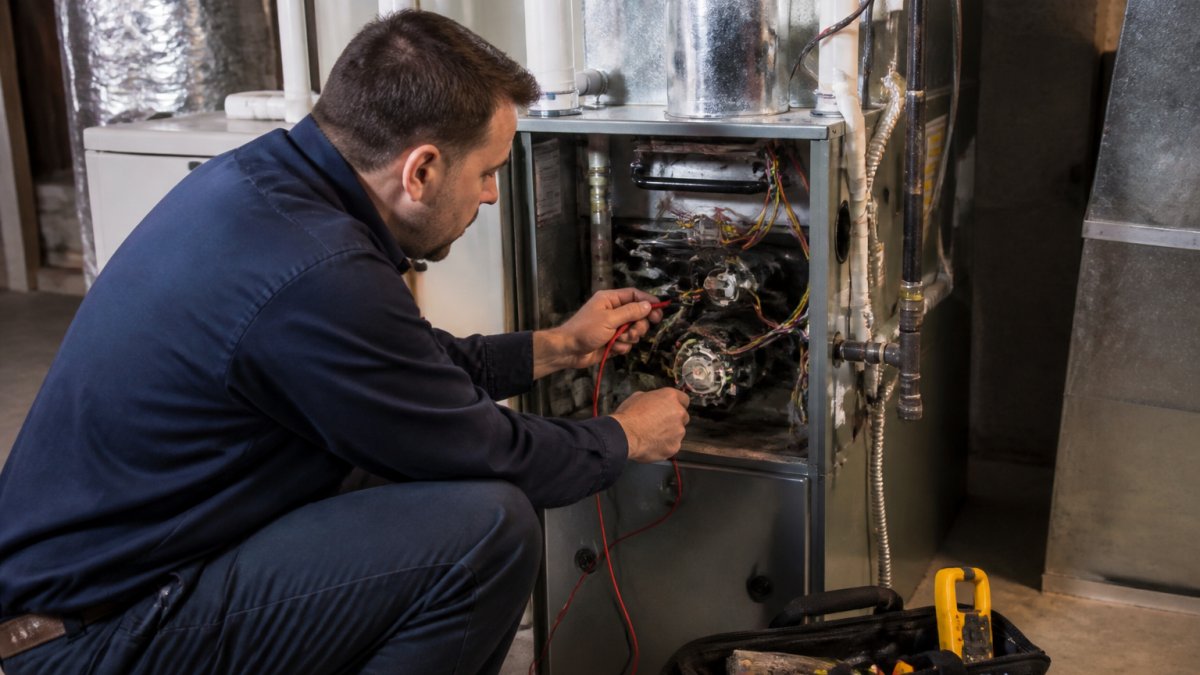
Preventing frozen pipes is one part of keeping a home comfortable through winter. Your heating system matters too, since a furnace or heat pump that is failing can leave rooms cold enough for pipes to freeze. Shoretech Services is a locally owned and operated HVAC provider, offering 24/7 service for furnaces, air conditioners, and heat pumps.
A pre-winter tune-up is one way to prepare your heating system for the season. Shoretech Services offers a no-obligation maintenance plan, and it includes a 10-year parts warranty on cooling maintenance. Financing options with approved credit are also available.
Ready to get your home ready? Schedule a heat pump tune-up with Shoretech Services. For more ways to protect your home this season, read Winter Necessities for Homeowners.
Frequently Asked Questions
What is the minimum temperature needed to prevent pipes from freezing?
Pipes exposed to air temperatures near or below 32 degrees Fahrenheit are at risk of freezing, and risk rises the longer the cold lasts and the colder it gets. Pipes in unheated spaces such as crawl spaces, garages, and exterior walls can freeze even when indoor rooms feel comfortable. Keeping indoor temperatures at a steady level, around 55 degrees Fahrenheit or higher in unheated areas, along with insulation and sealed air leaks, lowers the chance of freezing. Check local forecasts and take action before temperatures drop.
How can you tell if your pipes are frozen?
Common signs include a faucet that produces little or no water, water that sputters when it does flow, frost or bulging on visible pipes, and an unusual odor or discoloration near a faucet. If you suspect a frozen pipe, open the faucet to relieve pressure, then warm the section gradually with a hair dryer or heat tape. Never use an open flame or torch on pipes, and do not use a kerosene or propane heater indoors. If the pipe has burst or you cannot locate the frozen section, shut off the main water supply and call a licensed plumber.
Should you leave the heat on when you are away in cold weather?
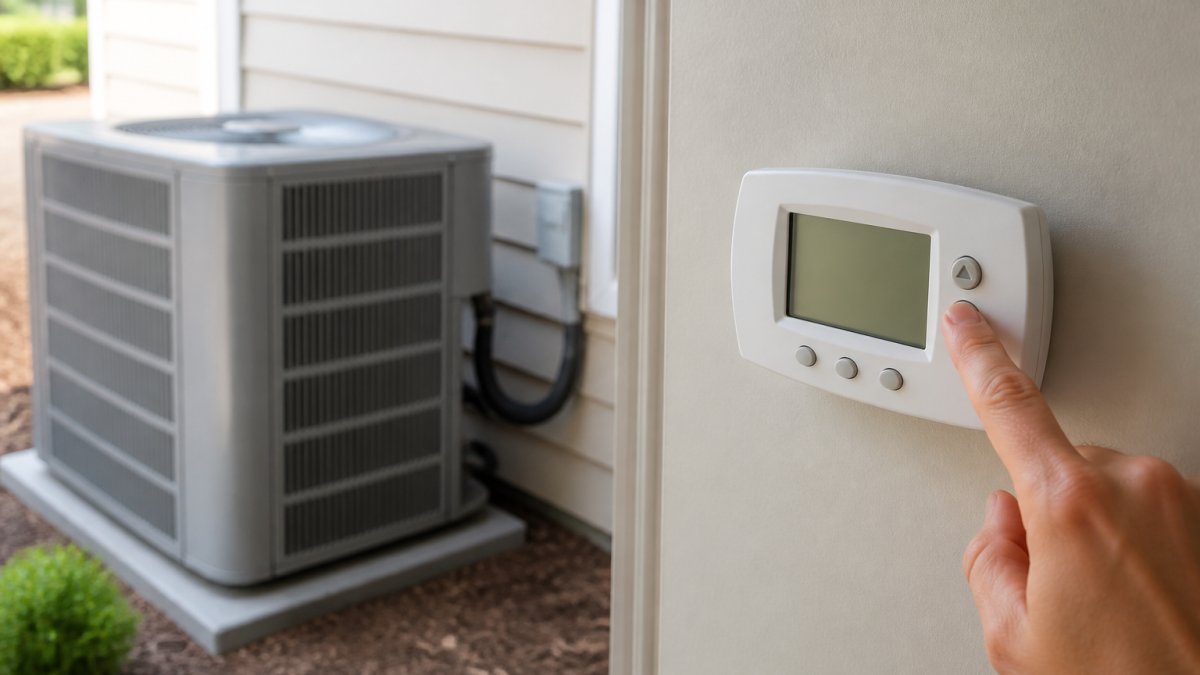
Yes. Keeping the thermostat set to a consistent temperature, generally at least 55 degrees Fahrenheit, helps keep pipes inside walls and under floors from freezing while you are away. Setting the thermostat lower to save energy can leave plumbing vulnerable, especially in vacant homes. Open cabinet doors under sinks on exterior walls so warm air can reach the pipes, and consider a programmable thermostat so the system stays on during extended absences.
Comments