


How Much Does Furnace Ignitor Replacement Cost?
Last Updated: October 30, 2026
Quick Summary
Furnace ignitor replacement cost depends on your furnace model, the ignitor type, and how hard the part is to reach. Ask for an itemized quote that separates the part, labor, diagnostic fee, and warranty terms so you can compare offers fairly.
Ask for an itemized quote listing the part, labor, fees, and warranty separately.
Confirm the ignitor has failed before approving replacement, since a flame sensor problem can look similar.
Check that the part number on the quote matches your furnace model.
Ask whether the diagnostic fee is credited toward the repair if you approve the work.
Compare OEM and aftermarket ignitors, weighing fit and warranty against price.
Table of Contents
What a Furnace Ignitor Does and Why Replacement Pricing Varies
If you're asking how much furnace ignitor replacement costs, the answer depends on your furnace model, the ignitor type, and how hard the part is to reach. Pricing depends on your furnace model, the ignitor type, and how hard the part is to reach. That's why two homes on the same street can get very different quotes.
A furnace ignitor is the component that lights the gas burners when your heat cycle starts. Most modern gas furnaces use a hot surface ignitor, a ceramic element that glows white-hot to ignite the gas. Older systems may use a standing pilot light instead.
Because the ignitor is fragile, it often fails after years of heating cycles. When it does, the furnace may click, run its inducer fan, and then shut down without producing heat.
Pricing varies for a few practical reasons:
Part type: Ignitors differ by furnace brand and model.
Access: Some furnaces are tucked into tight closets or crawl spaces.
Diagnosis: A technician may need to confirm the ignitor is the real problem.
Service fees: Dispatch and diagnostic charges vary by company.
Furnace Ignitor Replacement Cost: Part Price Versus Labor
Ask for each line item separately so you can see where the money goes.
A quote may include the ignitor, labor, a service or diagnostic fee, and sometimes a dispatch charge. Ask for a written estimate that lists each cost (How To Avoid a Home Improvement Scam).
What an Itemized Quote Should Look Like
A transparent invoice can be more granular than a single part-plus-labor figure. Here is a structure to look for, with the line items separated so you can compare offers:
Ignitor part, listed with the manufacturer part number and whether it is OEM or aftermarket
Labor, the time to remove the old ignitor, install the new one, and verify ignition
Diagnostic or service-call fee, the charge to come out and confirm the fault
Dispatch fee, a separate trip charge some companies add on top of the diagnostic fee
Tax, applied to parts and, depending on your state, sometimes labor
Warranty terms, what the part warranty covers and how long the labor is guaranteed
Some invoices show the diagnostic and dispatch fees as larger than the part itself. When you request a quote, ask the provider to break out the diagnostic fee from the repair labor. If a company quotes one lump sum with no line items, that is a signal to get a second estimate.
Pro Tip Ask for the quote in writing before any work begins, and confirm whether the diagnostic fee is credited toward the repair if you approve the job. Many companies apply it; some do not.
OEM Versus Aftermarket Ignitors
Ignitors come in two main types. OEM parts are made by the furnace manufacturer and match your model's specifications. Aftermarket parts are made by other companies and are often cheaper.
OEM ignitors
Pros: exact fit, matched to your furnace's specs, and more likely to be covered under a manufacturer parts warranty
Cons: usually higher price, sometimes harder to source
Aftermarket ignitors
Pros: lower price, widely available
Cons: fit and durability can vary, and some manufacturers will not honor a parts warranty if a non-OEM part caused the failure
Compatibility matters most. Check your furnace's model and part number before you accept any replacement part. The model and serial plate is usually inside the blower compartment or on the outer cabinet; photograph it before the technician arrives so you can confirm the part number on the quote matches your furnace.
Watch Out Don't let a technician replace the ignitor without first confirming the fault. Replacing good parts adds cost without fixing the problem, and a failed flame sensor or a gas valve issue can mimic an ignitor failure.
The quote is easier to compare when each cost is listed on its own line, as below.
Line item | What it covers | Ask for |
Ignitor part | Manufacturer part number, OEM or aftermarket | Part number matching your model |
Labor | Removing old ignitor, installing new, verifying ignition | Time and rate shown separately |
Diagnostic or service-call fee | Confirming the fault | Whether it is credited to the repair |
Dispatch fee | Separate trip charge some companies add | Whether it applies at all |
Tax | Applied to parts, sometimes labor | Rate by state |
Warranty terms | What the part and labor warranties cover | Length and what voids them |
What Affects the Total Installed Cost
Several factors push the total up or down:
Furnace model and brand: Some ignitors are harder to find or cost more.
Location of the furnace: Tight spaces take more time.
Time of service: Emergency or after-hours calls often carry higher fees.
Season: Demand spikes during cold snaps, which can affect scheduling and rates.
Warranty coverage: A parts or labor warranty may reduce what you pay.
Regional pricing also varies. Compare quotes from local providers before you decide. For current prices, contact Shoretech Services directly for a quote.
How to Tell If a Furnace Ignitor Is Bad Before You Call a Technician
Some simple checks can help you decide whether the ignitor is the likely cause. Always turn off power to the furnace before opening any panel.

Common warning signs include:
The furnace clicks or runs its blower but never lights
The burners light, then shut off after a few seconds
The furnace short-cycles or repeatedly restarts
You see a cracked or discolored ceramic ignitor element
The furnace produces less heat than usual
A visual check can help. With power off, look for cracks, chips, or dark spots on the ceramic element. Don't touch the ignitor while it's warm.
If you're not comfortable with a furnace panel, leave the inspection to a licensed technician.
Ignitor Versus Flame Sensor: Diagnosing the Real Problem
A failing flame sensor can cause symptoms that look like a bad ignitor. The sensor is a thin metal rod that confirms the flame is present. If it's dirty or worn, the furnace may light briefly and then shut down as a safety measure. To dig deeper into related heating problems that may not be the ignitor, read our diagnosis and fix guide.
Here's how to tell them apart in practice:
Ignitor problem: The furnace may not light at all, or you hear the ignitor fail to glow.
Flame sensor problem: The burners light, then cut out after a few seconds.
Since the fixes and costs differ, ask your technician to test both components before quoting a replacement. This simple step prevents unnecessary spending.
Why Does My Furnace Ignitor Keep Burning Out?
Repeated ignitor failure usually points to an underlying issue. Common causes include:
Voltage problems: Incorrect electrical supply can stress the element.
Dirty components: Dust and debris can cause overheating.
Airflow restriction: Clogged filters can make the system run hot.
Age: Older furnaces wear parts out over time.
If the ignitor keeps failing, ask your technician to check the underlying cause. Otherwise, the new ignitor may fail soon too.
How Long Furnace Ignitor Replacement Takes and What to Expect on the Bill
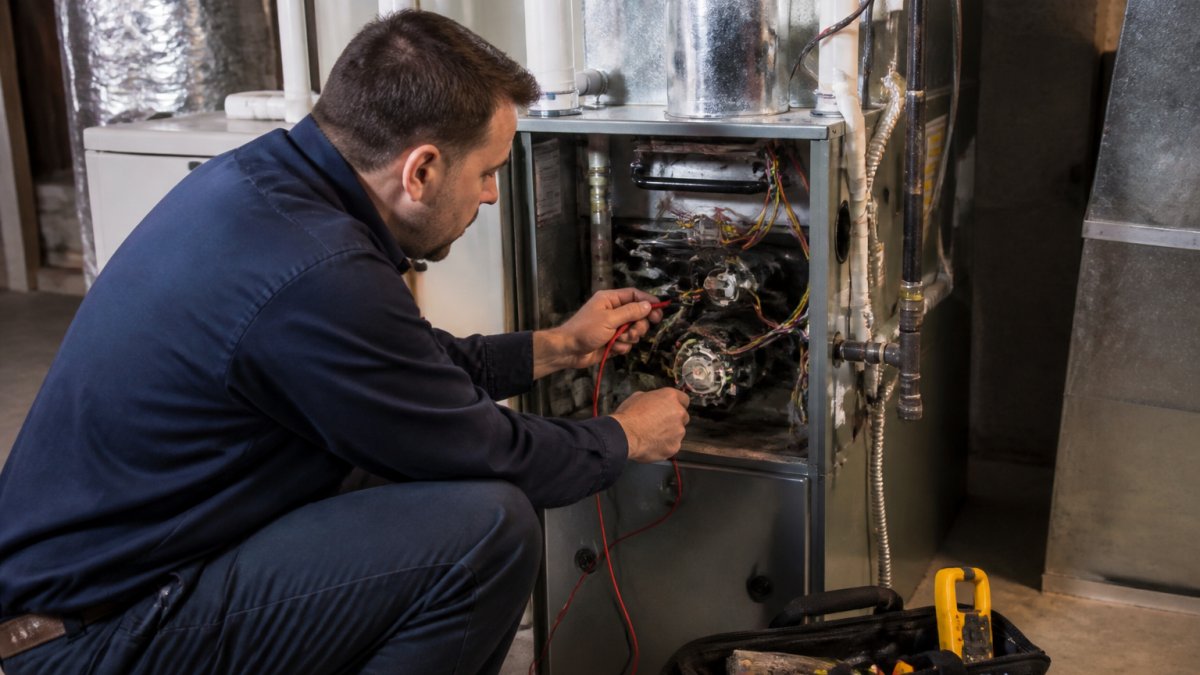
Access and diagnosis can affect how long the visit takes. Expect the technician to test the system before replacing the part, and to run a heat cycle afterward to confirm the new ignitor lights the burners reliably. For a full walkthrough of what happens at each stage of a professional repair visit, see our step-by-step repair guide.
A clear bill should show:
The ignitor part and its part number
Labor charges
Any diagnostic or service fees
Warranty terms on both the part and the work
How to Read the Quote Before You Approve It
A quote is only useful if you can tell what you are paying for. Work through these checks before you sign off:
Confirm the diagnosis is on the invoice. The bill should state what test confirmed the ignitor failed, for example, a resistance reading or a visual check of a cracked element. A quote that jumps straight to replacement without a stated diagnosis is a red flag.
Separate the diagnostic fee from the repair labor. Some companies charge a service-call fee and then a separate labor charge; others bundle them. Ask which model applies so you can compare quotes fairly.
Check the part number against your furnace. The part number on the quote should match the ignitor specified for your model. If it does not, ask why.
Ask whether the diagnostic fee is credited. Many providers apply the diagnostic fee toward the repair if you approve the work; confirm this in writing.
Read the warranty terms. A parts warranty covers the ignitor itself; a labor warranty covers the technician's work. Ask how long each lasts and what voids them, for example, installing a non-OEM part or skipping annual maintenance.
Key Takeaway A reasonable quote names the failed part and spells out the warranty terms. If any of those are missing, ask before you approve the work.
Questions to Ask Before You Approve the Work
Is the diagnostic fee credited toward the repair?
Is the replacement ignitor OEM or aftermarket, and what is the part number?
What is the warranty on the part, and what is the warranty on the labor?
Will you test the flame sensor and confirm gas pressure while you are in the unit?
What is the total out-the-door price, including tax and any dispatch fee?
A reputable provider will answer each of these without hesitation. If a company pressures you to approve work before answering, get a second quote. For current pricing in your area, contact Shoretech Services directly.
Getting an Itemized Quote and Booking Your Ignitor Repair with Shoretech Services
Before you book, ask for an itemized quote that lists the part, labor, fees, and warranty details. This helps you compare offers.
Shoretech Services is locally owned and operated, and we offer 24/7 service. We also provide a 10-year parts warranty on cooling maintenance and financing options with approved credit.
If your furnace isn't producing heat, contact Shoretech Services to schedule your ignitor repair and request a quote.
Frequently Asked Questions
How much does it cost to replace a furnace ignitor?
Furnace ignitor replacement cost is made up of the part price plus the technician's labor and any service or dispatch fees. The ignitor itself is usually a modest share of the total, while labor and service fees make up most of the bill. Totals vary by furnace model and how hard the ignitor is to reach. For current pricing, contact Shoretech Services for a quote.
How can I tell if my furnace ignitor is bad?
Common signs include the furnace clicking or attempting to light without producing flame, the burner failing to ignite after several tries, and the system shutting down soon after starting. A cracked or visibly damaged ignitor can also be a clue. Some of these symptoms overlap with flame sensor problems or gas supply issues, so a technician should confirm the diagnosis. Shut off power and gas to the furnace before inspecting any components yourself.
Is replacing a furnace flame sensor cheaper than replacing an ignitor?
The total cost depends on accessibility and the specific furnace model. Because a faulty flame sensor and a failing ignitor can produce similar symptoms, correct diagnosis matters. Ask the technician to explain how they confirmed which component failed before approving the repair.
How long does furnace ignitor replacement take?
For most residential furnaces, replacing an ignitor is a relatively quick service call, often completed in under one hour once the technician reaches the unit. Time can increase if the furnace is hard to access, if the diagnosis requires additional testing, or if other components need attention. Scheduling and arrival windows can also affect the overall timeline, so confirm expected duration when you book.
Comments